
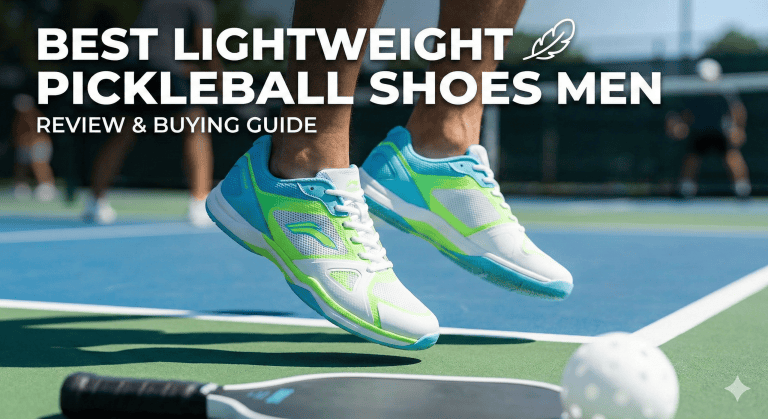
Lightweight pickleball shoes for men aim to balance court feel, lateral support, and durable traction without weighing players down. These shoes let quick starts, agile cuts, and sustained play feel less fatiguing, and models range from minimal, trainer-like uppers to sturdier court-specific builds with reinforced toe and sidewalls. We tested a variety of designs to see which deliver true on-court performance, breathability, and durability.
When choosing, the most important factors are fit, midsole cushioning and responsiveness, lateral stability, and outsole compound; a shoe that fits snugly through the midfoot, offers responsive cushioning, and has a grippy, abrasion-resistant outsole will give the best combination of speed and protection on the court. We evaluated dozens of shoes across those criteria to identify the best lightweight pickleball shoes men that perform best for different player styles and budgets, leading into our best-of list and the buying guide that follows.
Best Lightweight Pickleball Shoes Men
We tested and evaluated top lightweight pickleball shoes for men based on support, traction, durability, and weight. Below is our curated list of the best options to help you move quickly and play confidently on the court.
Skechers Viper Court Smash
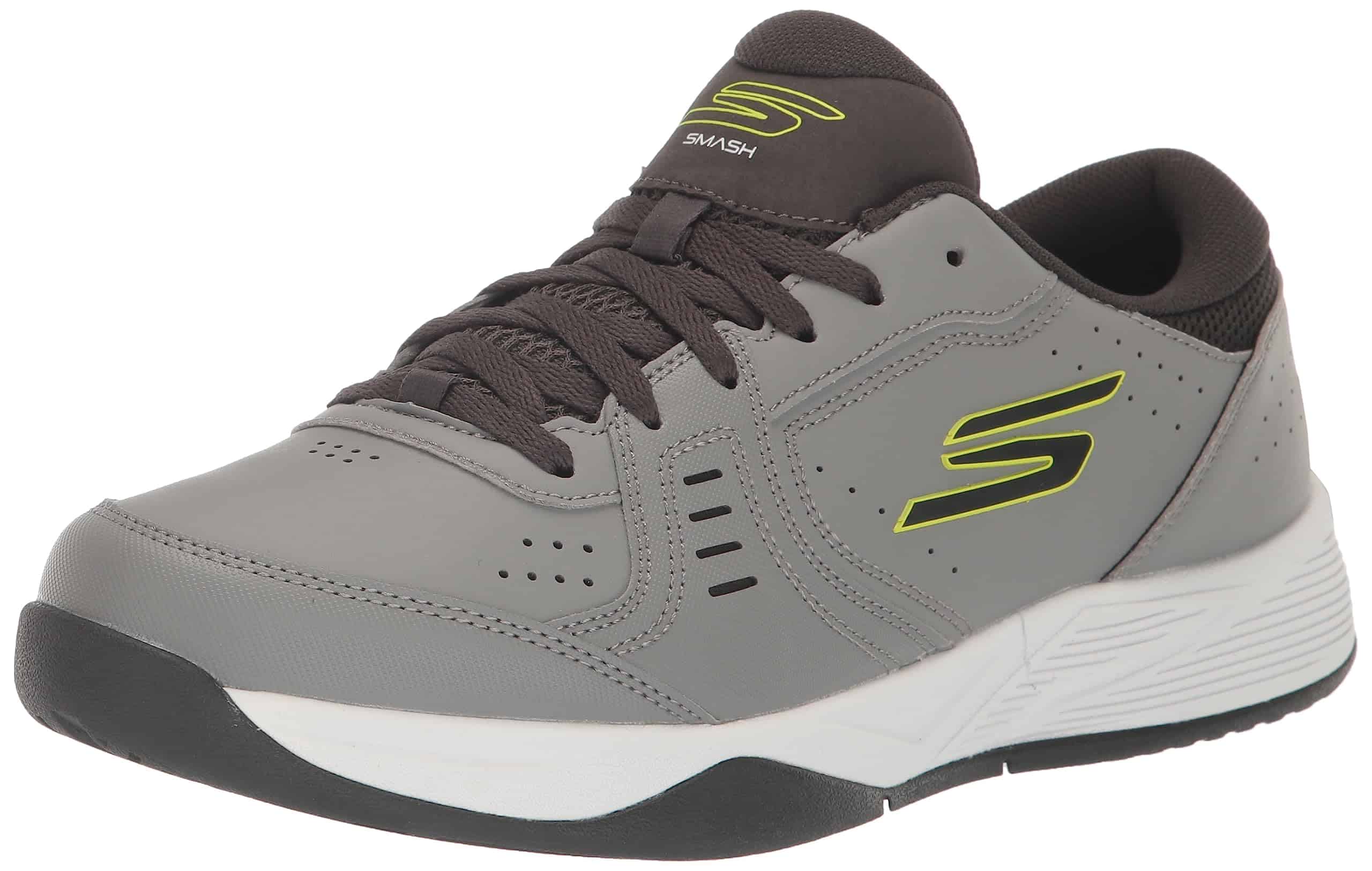
We recommend this shoe if you want a lightweight, roomy court shoe that balances comfort and traction for regular indoor/outdoor play. It is our #1 best lightweight pickleball shoes men pick.
Pros
- Very light on court and easy to move in.
- Roomy toe box and relaxed fit reduce hot spots during long sessions.
- Reliable non-marking traction on both gym floors and painted outdoor courts.
Cons
- Relaxed fit may feel loose for narrow-footed players.
- Durability of the synthetic upper can show wear after heavy outdoor use.
- Not as structured for aggressive lateral pushes compared with stiffer court models.
We tested these for several weeks and noticed the first thing was how little effort it takes to sprint and change direction. The Ultra Flight cushioning gives a springy feel without making the shoe feel bulky.
Our feet appreciated the roomy forefoot during long drills; toe rubbing disappeared and we stayed comfortable through extended play. The molded EVA insole offers consistent support, although larger lateral cuts felt a touch less locked-in than some denser court shoes.
Traction proved dependable across gym and asphalt courts—no sudden slips, and the outsole left no marks. Machine washing simplified upkeep after dusty outdoor sessions, but the synthetic upper shows scuffs sooner than leather or thicker textiles.
If you favor a forgiving, vegan-friendly shoe that keeps movement light and vents pressure on the forefoot, these make a strong, budget-friendly choice. Try them if you prefer extra room and cushioning; consider a narrower court shoe if you need maximum lateral lockdown.
Asics Gel-RENMA
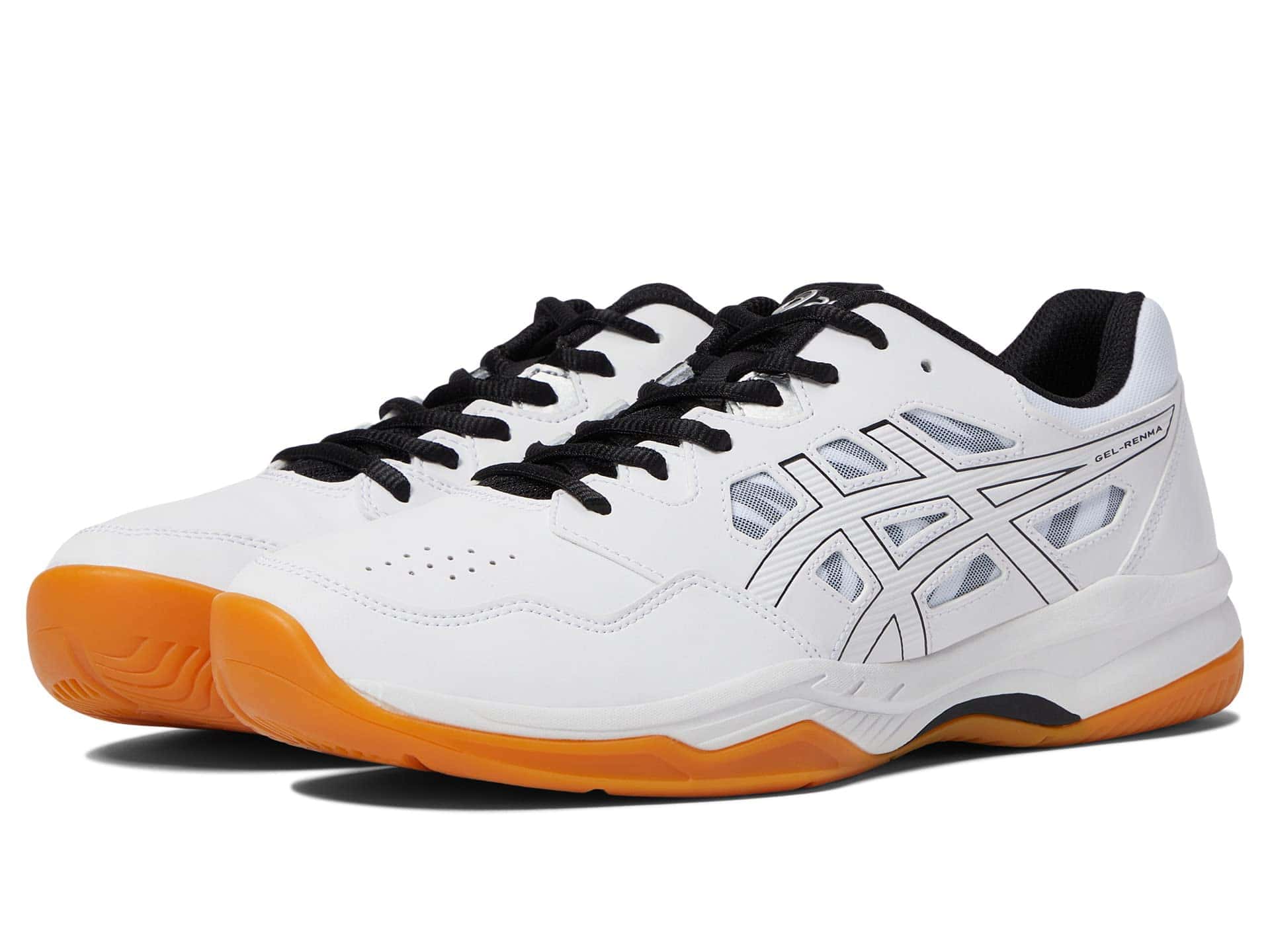
We recommend this shoe if you want a stable, supportive court shoe that breaks in to a precise, narrow fit for consistent lateral movement.
Pros
- Solid stability and midfoot support from TRUSSTIC® tech
- Clean court grip without overly sticky rubber
- Durable upper with a structured, supportive feel
Cons
- Feels narrow and stiff out of the box for many players
- Break-in time required before full comfort and flexibility
- Outsole may show visible wear with heavy outdoor use
We put these on for several sessions and immediately noticed the firm, controlled platform. The TRUSSTIC midsole keeps our foot from twisting during quick cuts, and the wrap-up outsole gives a reassuring planted feel when we push laterally.
After a few hours of wear the shoe loosens into a comfortable, responsive ride, but the first couple sessions feel rigid. Players with narrow feet will appreciate the fit, while wider-footed teammates might find them tight until the upper relaxes.
Court traction impressed us indoors and on hard outdoor courts—grip felt consistent without sticking to dust. Expect good durability from the synthetic overlays, though heavy outdoor play showed some outsole wear sooner than we preferred.
HEAD Motion Pro Pickleball (Men’s)

We recommend this shoe if you want durable court grip and stabilizing features tailored specifically for pickleball play.
Pros
- Excellent lateral stability and reinforced upper that hold up to quick side-to-side movement
- Breathable mesh and midfoot cooling that keep feet feeling less hot during long sessions
- Durable outsole and rubber toecap that resist court wear
Cons
- Heavier than some modern lightweight options, so it can feel tiring in long back-to-back sessions
- Narrow fit for some players; not ideal if you need a roomy toe box
- Sock construction and firmer midsole can feel stiff until broken in
We tested these on indoor and outdoor courts for several weeks and noticed the shoe really shines when you’re digging in for hard lateral pushes. The TPU midfoot shank and Lateral Control+ tech gave us confidence on quick recoveries and changes of direction.
The DynaFoam midsole felt responsive underfoot, although it comes with a firmer ride than ultra-light trainers. During longer play days we felt some foot fatigue compared with lighter options, so we switched shoes for marathon sessions.
Upper ventilation and the elastic sock construction made pulling the shoe on effortless and kept our feet reasonably cool. Traction stayed consistent through hours of play and the toecap resisted scuffs that usually wear other shoes down fast.
We’d pick these if durability and stability are your priorities and you accept a bit more weight for those benefits. If minimal weight and a very soft, plush feel matter most, consider looking at lighter alternatives.
Wilson Pickle Pro
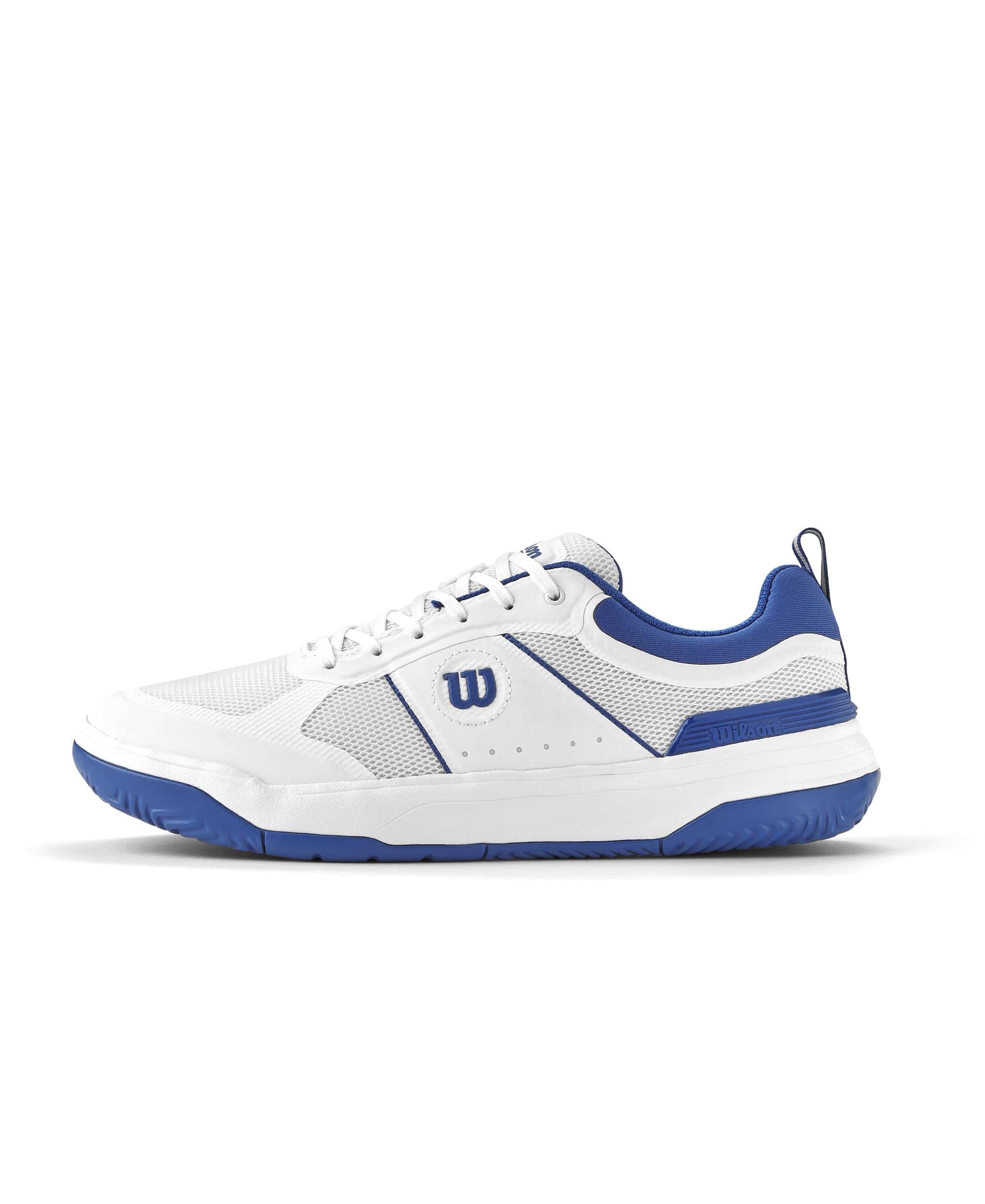
We recommend this shoe if you want a cushioned, roomy pickleball shoe that keeps you stable for quick lateral moves.
Pros
- Generous toe box that lets toes splay for better balance.
- Plush collar and OrthoLite cushioning give lasting comfort during long sessions.
- Stable midfoot chassis helps on quick pivots and planted shots.
Cons
- Not the narrowest fit — may feel bulky to players who prefer a snug racing feel.
- Break-in takes a few sessions before the midfoot support feels natural.
- Retro styling won’t match every modern kit.
We took these on several court sessions and immediately noticed how the wider toe area reduced toe cramping we sometimes get in tighter models. The shoe lets the foot settle naturally when we plant, which made pushing off more confident on lateral bursts. It makes it a great pickleball shoe for wide feet
The midfoot support really shows up during side-to-side rallies. It keeps the shoe from twisting under quick pivots, though it does take a couple of games to feel fully integrated with your foot mechanics.
Upper breathability and the plush collar kept our ankles comfy through back-to-back matches. On the downside, players who like very snug, race-style shoes may find the overall profile a bit roomy and slightly heavier-feeling than ultra-minimal trainers.
Overall, the Wilson Pickle Pro delivered solid court stability and comfort in our hands-on time; it’s a good pick for players who value cushioning and a natural toe splay over a razor-tight fit.
SoleEase Court Lite

We recommend the SoleEase Court Lite if you want a lightweight, breathable shoe that stays grippy across courts without breaking the bank.
Pros
- Very light and airy—feet stayed cool during long drills.
- Sticky rubber outsole that held on to the court through quick lateral steps.
- Cushioned EVA midsole that softened landings and eased joint fatigue.
Cons
- Narrow toe box felt snug on wider feet.
- Not water resistant—avoid wet courts or puddles.
- Heel cushioning may feel firmer to runners used to maximalist shoes.
We took these out for several matches and practice sessions and came away impressed by how weightless they feel. The knit upper breaths well during sweaty rallies, and the shoe never felt heavy even after an hour of play.
Traction stood out in real use; the high-abrasion rubber bit into indoor and outdoor surfaces and kept us confident on quick direction changes. The outsole shows no early wear after multiple sessions, which suggests decent durability for the price.
Cushioning hit a useful balance—EVA midsoles absorbed landing shock and reduced the sting in our knees after hard stops. Players who prefer very plush heels, however, might find the rear feel firmer than expected.
Fit varies by foot shape; we noticed a slightly narrow forefoot on our testers with broader toes, so consider sizing or trying on if you have wide feet. Also plan to keep these away from wet conditions since they’re not water resistant.
Buying Guide
We consider weight, support, and durability the core factors when choosing lightweight pickleball shoes. Lighter shoes reduce fatigue, but they must still offer sufficient stability for quick lateral movements.
We prioritize sole construction and traction patterns. Look for non-marking, high-grip outsoles with reinforced toe areas; these improve court bite and resist wear without adding unnecessary mass.
We evaluate cushioning and midsole materials next. EVA or similar foams provide responsive cushioning; firmer midsoles favor quick court feel, while softer foams increase comfort during long sessions.
We check fit and upper design closely. Breathable, snug uppers with supportive overlays keep the foot secure; a roomy toe box prevents cramping during sprints and lunges.
We inspect support features like heel counters and shanks. External heel counters and torsional elements enhance lateral stability, reducing rollover risk during fast changes of direction.
We recommend sizing strategies and break-in expectations. Try shoes with the socks you use on court and allow a short break-in period; any persistent pressure points mean you should size up or try a different last.
We list quick selection criteria to compare options efficiently:
- Weight per shoe: lower for agility, balanced with support.
- Outsole compound: high-grip, non-marking.
- Midsole density: firm for responsiveness, softer for comfort.
- Upper materials: breathable and supportive.
- Stability features: heel counter, shank, wider base.
- Fit: true to size with adequate toe room.
We test shoes in short drills targeting lateral moves and starts. Prioritize the pair that blends lightness with reliable court support.
Frequently Asked Questions
We outline essential performance, fit, and brand considerations for lightweight men’s pickleball shoes, plus foot-health recommendations and competitive priorities. Expect specific features, brand approaches, and options for wide feet.
What features should the best pickleball shoes for men offer?
We look for a low-to-medium heel-to-toe drop, stable midsole, and thin responsive cushioning to balance speed and impact protection. Durable non-marking rubber outsoles with multi-directional tread and reinforced toe caps improve traction and resist lateral wear.
Breathable mesh or engineered knit uppers reduce weight while maintaining structure with TPU overlays or welded reinforcements. A secure lockdown system—lace lockdown, gusseted tongue, or strap—prevents slippage during quick cuts.
How do specific brands like Nike and Adidas cater to pickleball players seeking lightweight shoes?
Nike often adapts running and court technologies—React foam, Zoom units, and engineered mesh—to create light court models with responsive cushioning and lockdown. They emphasize responsive midsoles and lightweight synthetic uppers in court-adjacent lines.
Adidas uses Lightstrike or Boost variants for energy return with continental rubber outsoles for grip and durability. Their knit uppers plus targeted TPU support zones aim to reduce overall weight while maintaining lateral stability.
What are the advantages of using pickleball-specific shoes over regular tennis shoes?
Pickleball-specific shoes prioritize quick lateral movement, lower-profile midsoles, and reinforced toe and medial areas for frequent cuts and slide-stops. They typically use court-focused outsole patterns tuned for the smaller court and different pivot demands.
Regular tennis shoes may have heavier midsoles or different durability zones intended for baseline rallies on larger courts, which can compromise agility and increase weight for pickleball play.
Are there lightweight pickleball shoe options available for men with wide feet?
Yes. Several brands produce wide sizes (2E, 4E) or offer naturally roomier lasts in specific models suitable for wide feet. Look for models listed in wide sizing or those reviewed as “true to width” with a roomy forefoot and flexible upper.
We also recommend trying semi-custom insoles or removable footbeds to adjust fit without losing shoe volume. Prioritize models with stretchy engineered knit uppers and lateral support that don’t compress the forefoot.
How important is shoe weight when playing pickleball competitively?
Shoe weight matters for quick first steps, directional changes, and reduced fatigue over long matches, but it should not sacrifice stability or injury protection. Lighter shoes improve acceleration and agility, while adequate midsole support and torsional rigidity reduce injury risk.
We suggest prioritizing shoes under 12 ounces (340 g) for men seeking speed, provided they still offer proper lateral support and durable outsoles.
Which types of shoes are typically recommended by foot specialists for playing pickleball?
Foot specialists usually recommend low-to-medium heel-to-toe drop court shoes with firm medial support and a stable midsole to control pronation. They favor shoes with a wide, supportive base, good arch support, and durable lateral reinforcement.
If players have specific conditions—plantar fasciitis, forefoot neuromas, or overpronation—specialists suggest orthotic-compatible models, rocker soles in select cases, or custom orthoses combined with a stable court shoe.

