
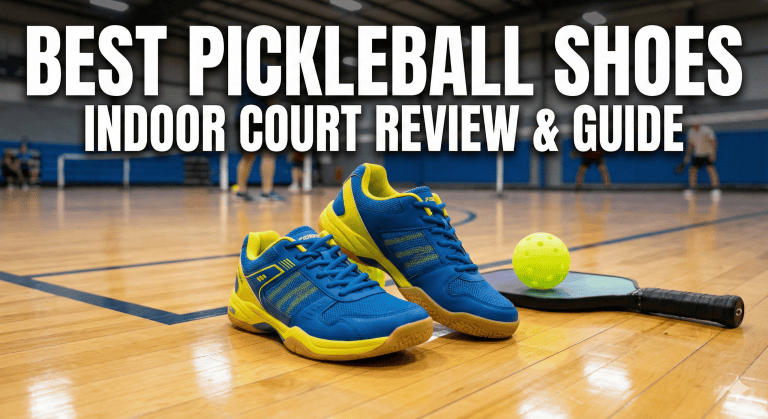
Pickleball has become one of the fastest-growing court sports, played on indoor gyms and dedicated courts where traction, stability, and lateral support matter. Indoor pickleball shoes are designed specifically for hard, smooth surfaces: they use non-marking rubber soles, reinforced toe boxes, and lateral cushioning to help players change direction quickly while protecting the foot from repetitive impact.
When choosing the best pickleball shoes indoor courts, fit, sole grippiness on indoor surfaces, cushioning for hard courts, and durable lateral support are the critical factors to weigh. A shoe that fits snugly without pinching, has a non-marking sole with reliable traction on indoor courts, and offers reinforced side support and adequate cushioning will reduce injury risk and improve on-court performance. We tested and compared top models by wearing them through drills, measuring traction and stability, and assessing comfort and durability to identify the best options and what to prioritize in our buying guide.
Best Pickleball Shoes for Indoor Courts
We selected the best indoor pickleball shoes that balance traction, court feel, and lateral support to help players move confidently without sacrificing comfort. Our list highlights models that perform well on gym floors, resist sole marking, and hold up to quick direction changes.
Asics Gel-RENMA Pickleball Shoes
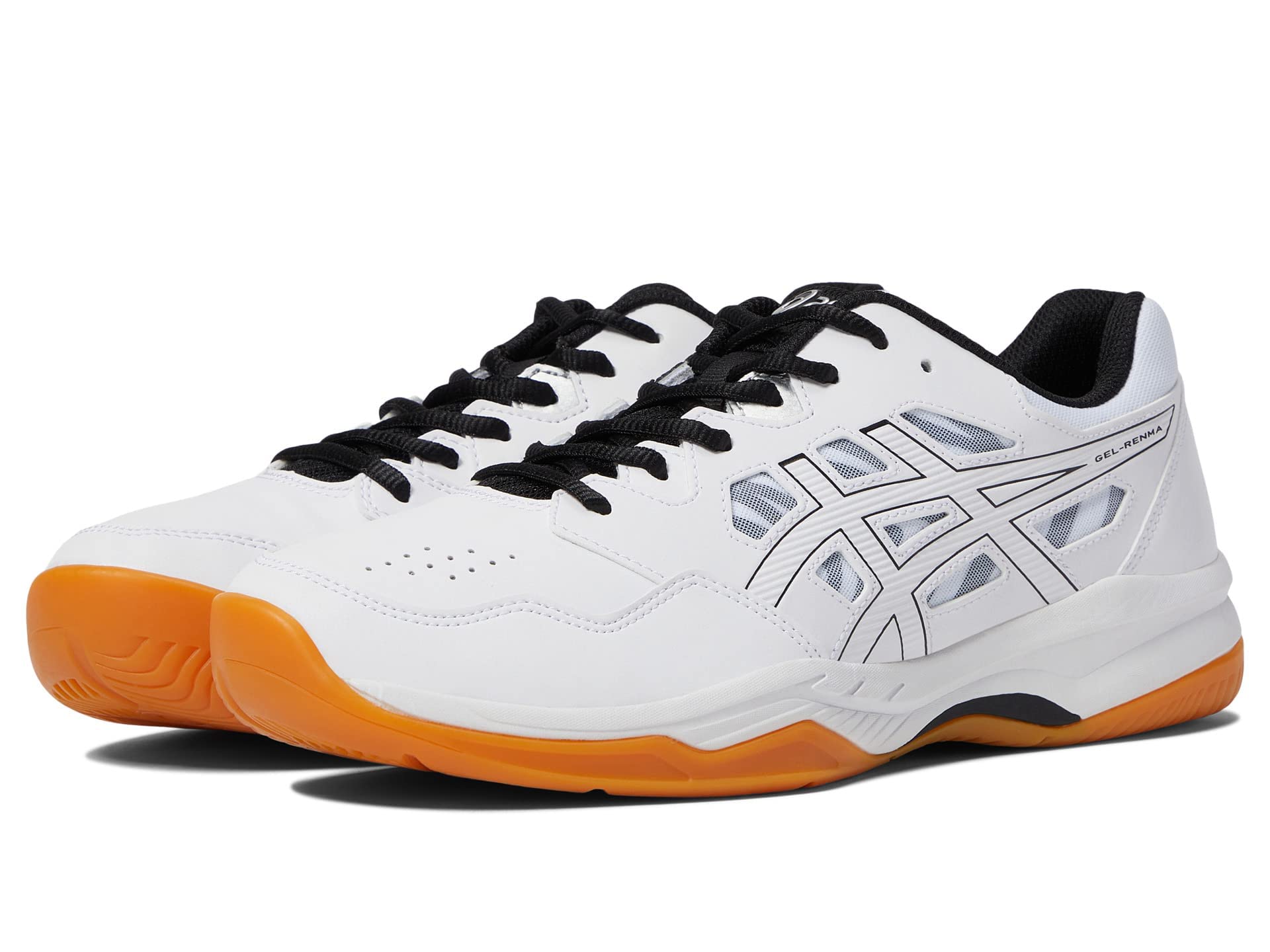
We recommend these if you want stable, court-focused shoes that favor support and durability over plush flexibility.
Pros
- Stable undercut and supportive midsole for quick lateral moves
- Reliable court grip without feeling overly sticky
- Durable synthetic overlays that hold up to frequent play
Cons
- Break-in can take several sessions; feels stiff at first
- Narrow fit may not suit wider feet
- Outsole can show wear faster with heavy use
We felt the TRUSSTIC® midsole control immediately when changing direction; it keeps the foot planted and reduces that wobbly twist you sometimes get during pivoting. The wrap-up outsole and wider gauge translated to steadier footwork, especially when cutting across the court.
Break-in mattered. The first few hours felt stiff and narrow, so we laced them snug and wore them around before full matches. After a few sessions the flex grooves opened up and movement felt more natural, though they never become as soft as running shoes.
Grip on indoor courts stayed confident even on slightly dusty gym floors, and the synthetic leather overlays resisted scuffs from frequent slides. We noticed the sole shows use after a few months of regular play, so expect solid performance but monitor tread if you play several times a week.
Asics Gel-RENMA (Women’s)

We recommend this shoe if you want stable, cushioned indoor court performance with a focus on multi-directional support.
Pros
- Trusted GEL cushioning for shock absorption and comfort.
- TRUSSTIC midsole and wrap-up outsole improve stability during quick cuts.
- Flex grooves let the forefoot move freely for lateral play.
Cons
- Toe box runs a bit narrow for wider feet.
- Some players may find the upper feels stiff and less breathable.
- Durability reports vary—inner lining has worn for a few users.
We put these on for several sessions and noticed the GEL cushioning keeps impact manageable during long rallies. The midfoot felt locked in thanks to the TRUSSTIC support, which reduced that awkward twisting sensation when lunging or changing direction.
Moving laterally felt smoother than many generic indoor court shoes because the wrap-up outsole and wider gauge worked together to give a balanced ride. The flex grooves let our toes flex naturally on quick pivots, which helped on recovery steps.
Fit demanded attention; we sized up half for comfort, and players with broader toes should consider that adjustment. Breathability seemed average—feet warmed on longer, intense practices—and a few of us saw minor wear in the inner lining after heavy use, so expect mixed longevity.
Overall, Asics Gel-RENMA delivers stability and cushioning that benefit aggressive indoor court play, provided you check fit and accept potential trade-offs in breathability and long-term wear.
Skechers Viper Court Pro
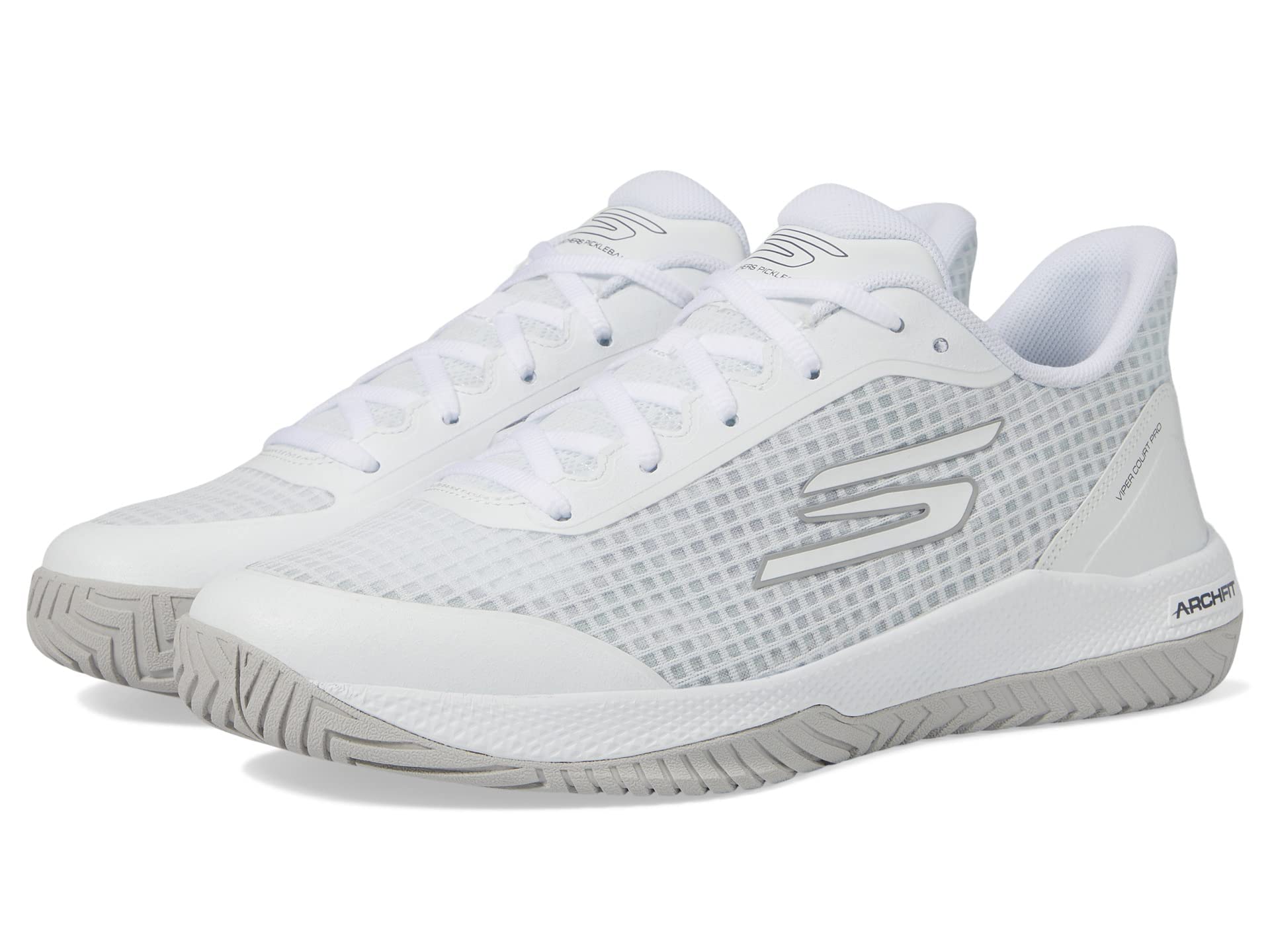
We recommend this pair if you want cushioned, supportive indoor-court shoes that feel comfortable from the first session.
Pros
- Plush, responsive cushioning that reduces court fatigue
- Noticeable arch support for longer play sessions
- Confident indoor traction and stable lateral support
Cons
- Outsole may show heavy wear after months of frequent indoor use
- A bit roomier in the toe box for players who prefer snug fits
- Some durability reports on upper or sole separation with heavy use
We put these on for multiple drills and match play and appreciated the podiatrist-designed arch support immediately. The Ultra Go foam gives a springy, comfortable ride that kept our feet fresher across back-to-back games.
Movement felt controlled thanks to the Goodyear Gold compound outsole; quick cuts and lateral shuffles stuck to the court without that slippery slide you sometimes get on indoor surfaces. The mesh upper breathes well during long sessions and the synthetic overlays held the foot in place without feeling stiff.
After several weeks of play we noticed the sole showed more wear than we expected for the price point, especially where we pivoted most. If you play daily or are particularly hard on shoes, expect to monitor outsole life; otherwise they perform very well for typical recreational to competitive indoor play.
Pick them up here: Skechers Viper Court Pro.
Skechers Viper Court Smash

We recommend this shoe if you want a lightweight, comfortable court shoe that balances cushioning and everyday durability for indoor pickleball.
Pros
- Very light and cushioned for quick movement.
- Roomy toe box feels forgiving during long play.
- Machine-washable and vegan materials simplify care and ethics.
Cons
- Narrow fit for some; may require a size up or break-in.
- Traction is good but not as grippy as premium court soles.
- Not as structured for heavy lateral support in aggressive players.
We took these onto the court for several sessions and appreciated how easily they handled quick starts and stops. The 9.7 oz weight made footwork feel less sluggish, and the molded EVA insole delivered a pleasantly bouncy underfoot feel during rallies.
The upper felt smooth and low-profile while remaining breathable enough for intense sets. We noticed the roomy forefoot avoided hot spots, but the midfoot ran a bit snug at first; a short break-in or ordering a half size larger fixed that for us.
Outsole traction performed well on indoor courts and didn’t mark the surface, though we missed the sticky bite of higher-end tennis models when making abrupt lateral digs. Care was effortless — we tossed a pair in the machine and they came back looking tidy without losing shape.
If you want an affordable, comfortable court shoe for regular indoor play, this Skechers pair delivers solid cushioning and easy maintenance; competitive players who need maximal lateral stability may want to test fit carefully.
Adidas Gamecourt 2.0 (Women’s)
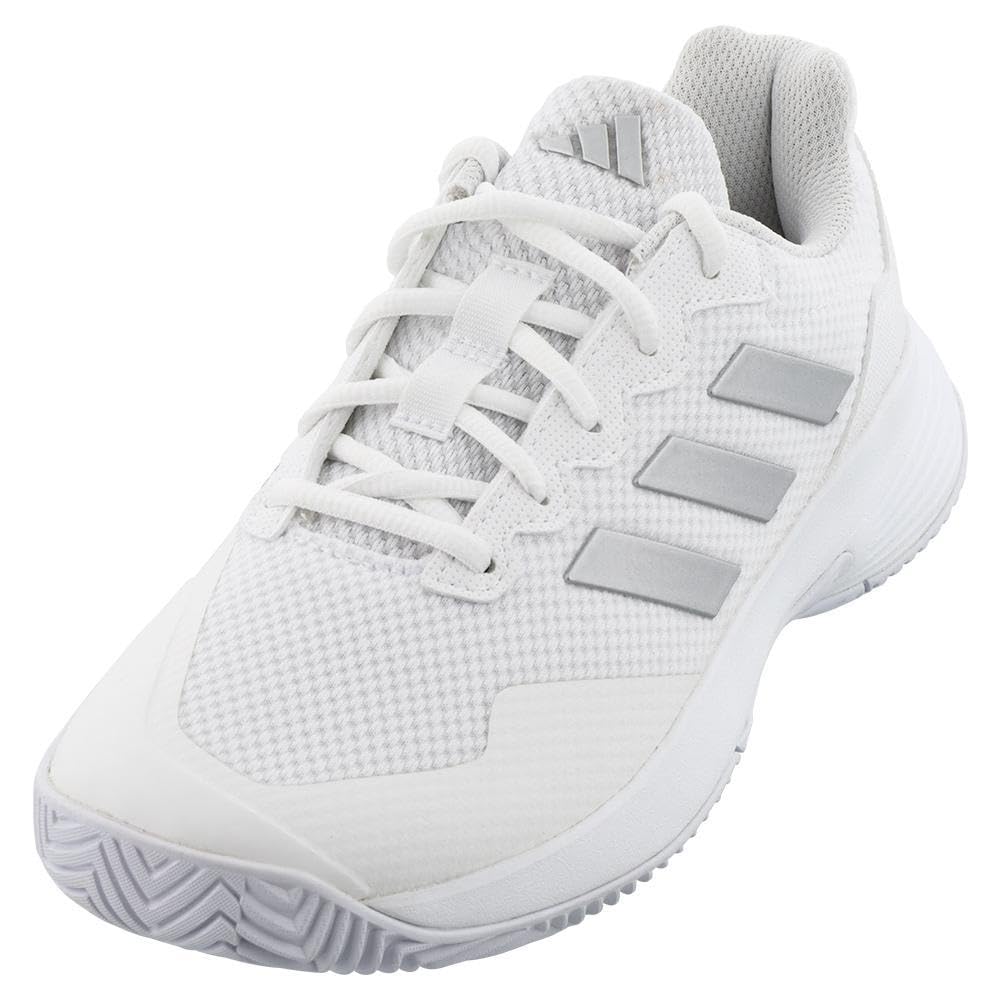
We recommend this shoe if you want a breathable, durable indoor-court shoe that feels light and secure for frequent play.
Pros
- Breathable mesh keeps feet cool during long sessions.
- Grippy Adiwear outsole holds on gym floors without feeling sticky.
- Lightweight cushioning with a locked-in heel for quick direction changes.
Cons
- Fit can run narrow for some—try a half size up if you have wider feet.
- Limited aggressive lateral cushioning compared with specialty pickleball models.
- Midsole cushioning is light; heavy-jump players may want more impact protection.
We played several sessions in these and noticed how airy the open mesh upper keeps our feet from overheating during back-to-back games. The shoe feels immediately responsive underfoot, and the heel padding really locks the foot in when we sprint and pivot.
The Adiwear outsole delivered consistent grip across gymnasium surfaces without scuffing the floor. After weeks of play the rubber showed minimal wear, and confidence in quick lateral moves stayed high.
We did find the toe box narrower than expected if you have bunions or prefer extra room, so sizing up helped teammates with wider feet. Cushioning works well for typical indoor rallies, but players who land hard on each step might want a thicker midsole.
Overall, these are a solid, value-minded pick for regular indoor pickleball players who prioritize breathability, court grip, and a snug, supportive fit.
Best Pickleball Shoes For Indoor Court Buying Guide
We focus on fit first because a secure, comfortable fit reduces injury risk and improves court performance. Try shoes with a snug heel and roomy toe box; lace systems that lock the midfoot can provide extra stability.
We evaluate outsole pattern and material for indoor courts. Look for a non-marking rubber outsole with a tread that offers multidirectional grip without excessive stickiness. Avoid deep cleats or aggressive spikes that can catch on smooth surfaces.
We check support and cushioning to balance agility and protection. Low-to-mid profile midsoles help with lateral movements; denser foam near the heel can reduce impact. Consider removable insoles if you want to customize arch support.
We inspect upper construction for breathability and durability. Reinforced toe caps and abrasion-resistant materials at the sides extend shoe life. Mesh panels or perforations help ventilation and control internal moisture.
We compare weight and flexibility based on playing style. Lighter shoes favor quick footwork; slightly stiffer soles give more stability for frequent directional changes. Decide which trade-offs match our priorities.
We recommend verifying court compatibility and care instructions. Confirm the shoe label indicates non-marking soles for indoor use. Clean soles regularly and follow manufacturer care to maintain traction and lifespan.
| Feature | What to look for | Why it matters |
|---|---|---|
| Fit | Snug heel, roomy toes, secure lacing | Reduces slippage and blisters |
| Outsole | Non-marking, multidirectional tread | Traction on indoor surfaces |
| Cushioning | Balanced foam, removable insole | Comfort and shock absorption |
| Support | Reinforced midfoot, stable sole | Prevents ankle roll during lateral moves |
| Durability | Reinforced areas, quality materials | Longer useful life with court wear |
Frequently Asked Questions
We cover top-rated models, gender-specific designs, performance features, brand options, selection criteria, and whether standard indoor court shoes suffice. Expect clear recommendations and practical buying guidance.
What are the top-rated indoor court shoes for pickleball?
We recommend models that combine grip, stability, and durability for quick lateral movement. The ASICS Gel-Rocket series, New Balance 906/1006 indoor court shoes, and Wilson Rush Pro line consistently score highly in independent shoe tests and player reviews.
Performance-oriented choices include shoes with gum rubber outsoles for traction and reinforced toe caps to resist scuffing. Look for midsole cushioning technologies such as EVA or gel for impact protection during short sprints and repeated direction changes.
Can indoor court shoes be specifically designed for female athletes playing pickleball?
Yes. Several manufacturers produce women-specific lasts and fit profiles to match narrower heels and different arch shapes. New Balance, ASICS, and K-Swiss offer women’s versions of popular court shoes with adjusted proportions and colorways.
We also see women-specific cushioning and lighter-weight materials in some models to reduce bulk without sacrificing support. Choosing a women’s fit often improves on-court comfort and reduces slippage inside the shoe.
What features differentiate high-quality pickleball shoes for indoor play?
High-quality best pickleball shoes indoor court have non-marking gum rubber outsoles with multi-directional tread patterns for grip on smooth courts which makes them different than pickleball shoes for outdoor concrete. They include reinforced sidewalls and toe guards to withstand abrasion from lateral slides and frequent stops.
A stable midsole and low-to-medium heel-to-toe drop help maintain balance during rapid direction changes. Breathable uppers, secure lacing systems, and adequate forefoot flex for quick push-offs complete the feature set.
Are there any leading brands that offer specialized indoor pickleball footwear?
Yes. ASICS, New Balance, Wilson, K-Swiss, and Babolat are top brands that market indoor court shoes suitable for pickleball. Some, like ASICS and New Balance, explicitly label models for court sports and test them on indoor surfaces.
Smaller specialized companies and pickleball-specific brands also offer models tuned for pickleball biomechanics, focusing on lateral stability and outsole durability tailored to indoor courts.
What should I consider when choosing indoor pickleball shoes for optimal performance?
Prioritize outsole grip and durability first, then lateral support and midsole cushioning. Fit matters: measure both feet, try shoes with the socks you use, and ensure a snug heel with a thumb’s width of toe room.
Consider your play style: aggressive movers need reinforced side support; baseline drafters may prefer lighter shoes with more forefoot flexibility. Factor in court surface, frequency of play, and budget when picking models.
Is it appropriate to use regular indoor court shoes for playing pickleball?
Often yes, if those shoes provide strong lateral support, durable non-marking outsoles, and a secure fit. Many indoor volleyball or squash shoes meet the mechanical needs of pickleball players.
However, shoes designed specifically for tennis/court sports may have extra durability in high-wear areas and slightly different tread patterns that better resist the unique movement patterns of pickleball.

