
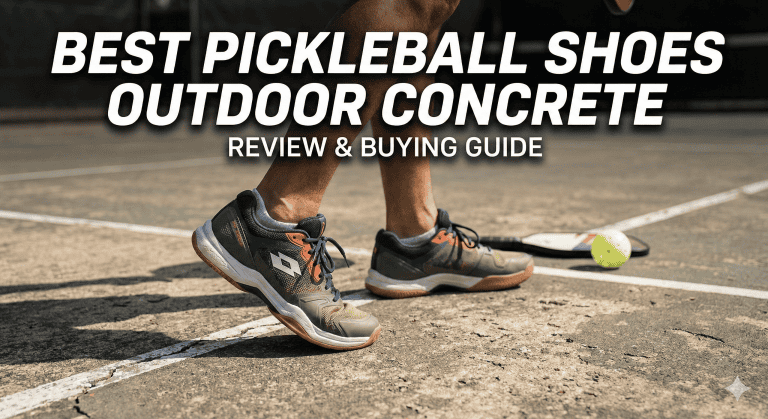
Pickleball has exploded as a backyard and community-court sport because it’s easy to learn and fast to play. Outdoor concrete courts demand shoes that balance grip, cushioning, and durability to protect knees and ankles while providing quick lateral response; standard running shoes usually won’t cut it for the repeated side-to-side motion and abrasive surface.
The best pickleball shoes outdoor concrete shoe combines a durable rubber outsole for traction on concrete, reinforced upper materials to resist scuffing, and responsive midsole cushioning to absorb repeated impacts. When choosing a pair, prioritize outsole compound and tread pattern for grip and wear resistance, midsole cushioning for shock protection, and durable uppers with good toe reinforcement—those three factors most directly affect performance and longevity on concrete courts. We tested and compared several models to identify shoes that deliver on those priorities and hold up to real outdoor play.
Best Pickleball Shoes for Outdoor Concrete
Below is our curated list of the best pickleball shoes designed for outdoor concrete courts. We evaluated durability, traction, cushioning, and fit to help you find shoes that hold up to abrasive surfaces while keeping you stable and comfortable.
Asics Gel-RENMA (Men’s) — Concrete/Pure Gold
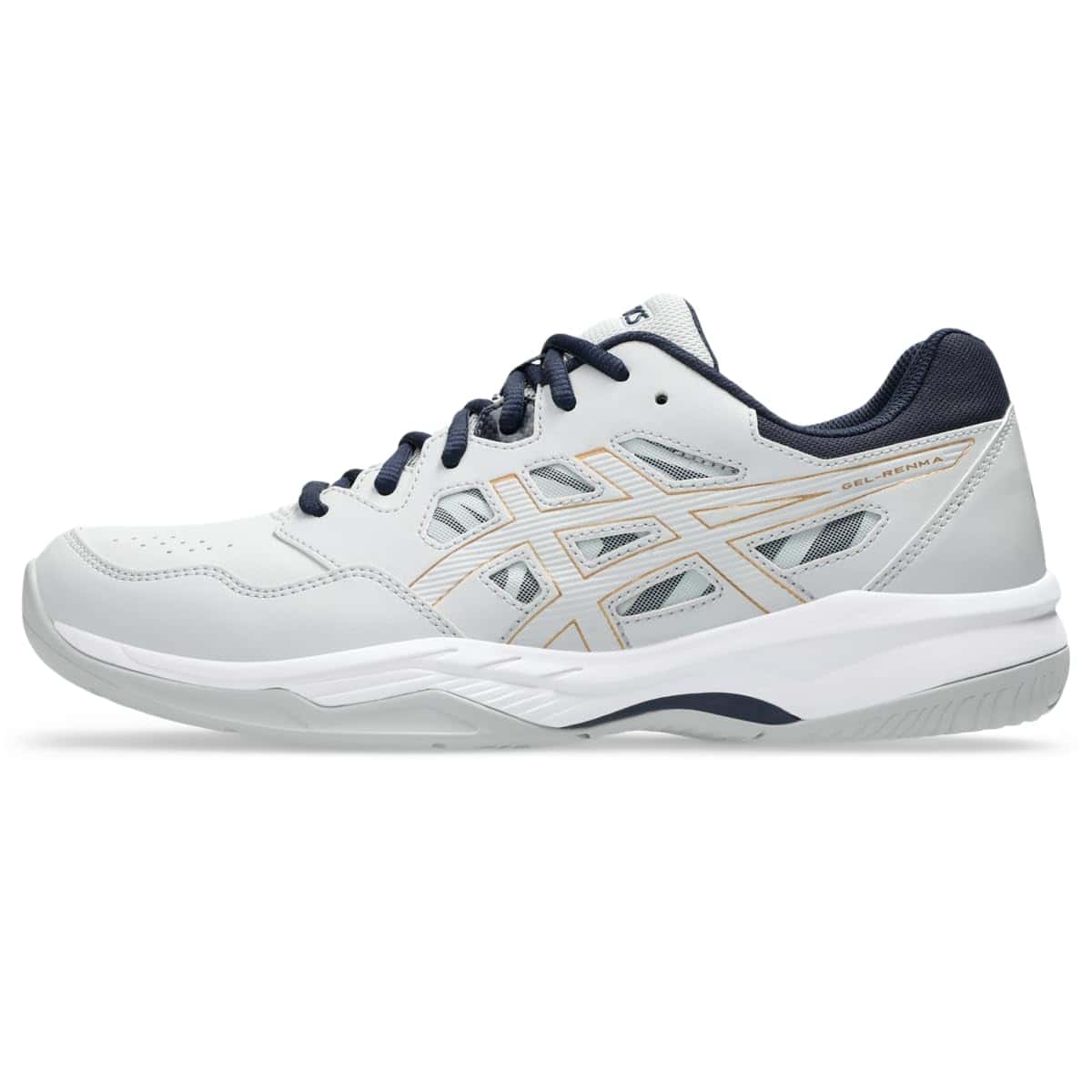
We recommend this shoe if you want stable, court-focused support on outdoor concrete without sacrificing cushioning.
Pros
- Stable underfoot for quick lateral cuts
- Good cushioning at toe strikes for hard surfaces
- Durable synthetic overlays resist scuffing
Cons
- Feels stiff out of the box and needs break-in
- Narrow fit may not suit wider feet
- Outsole can wear faster with heavy outdoor use
We pushed through several full sessions on rough concrete and noticed the TRUSSTIC midsole really keeps us from over-twisting during hard lateral moves. That stability gave us confidence on fast exchanges and helped reduce foot fatigue after long matches.
The forefoot GEL made toe-first landings feel softer compared with other court shoes we’ve used on asphalt. Grip held up reliably without being overly sticky, which let us shuffle and pivot without feeling glued to the surface.
Expect a firm ride at first; we wore them around for a few hours then played two short games to break them in. Players with wider feet should try them on, because the narrower last felt snug for some of us until after the break-in period.
Asics Gel-RENMA Pickleball Shoes 11 Concrete/Pure Gold
Cungel Court Shoes
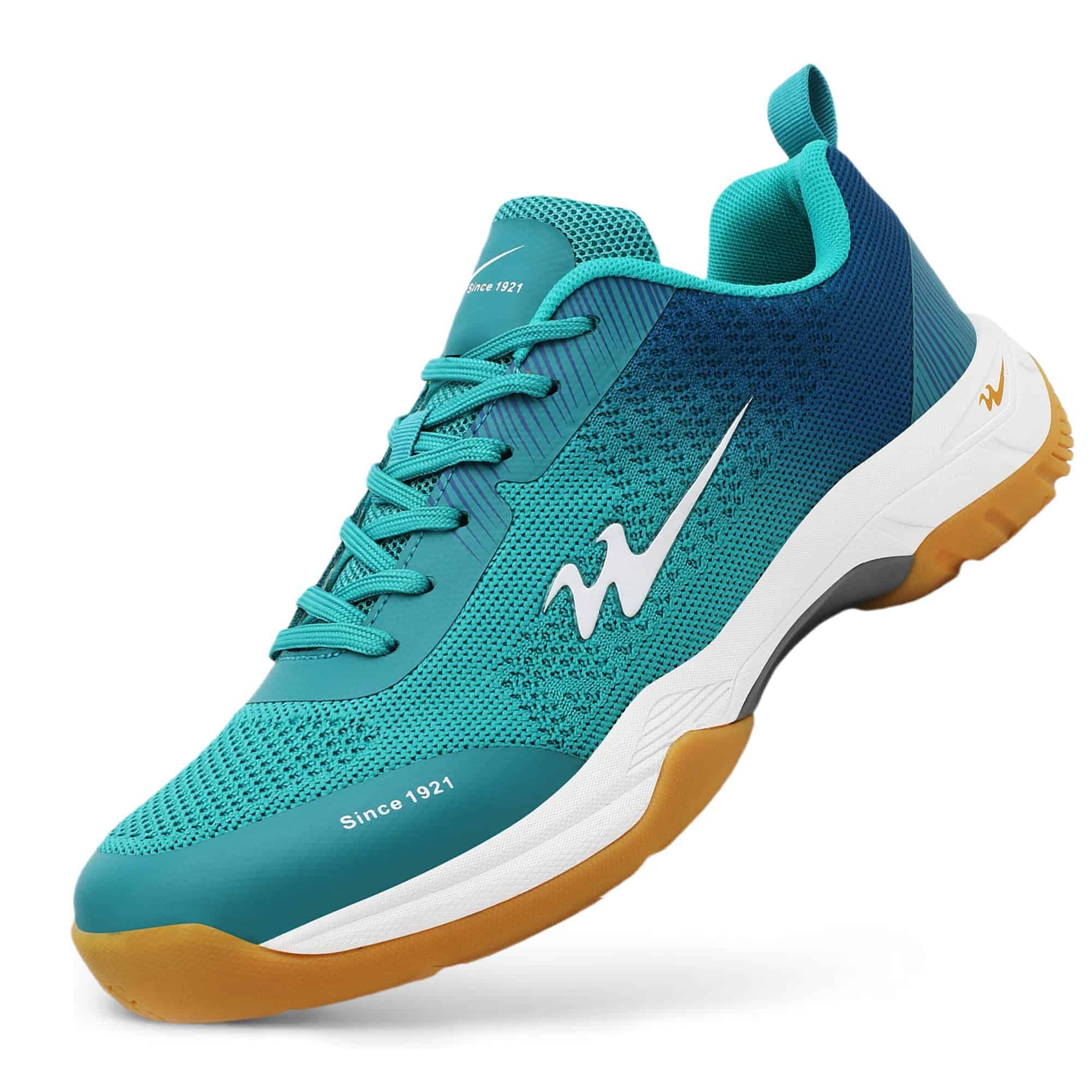
We recommend these if you want budget-friendly, grippy shoes for outdoor concrete that feel light and ventilated but may need a break-in for hotspots.
Pros
- Very breathable upper that keeps feet cool during long sessions
- Strong rubber outsole that grips well on concrete and stops quickly
- Lightweight midsole gives responsive movement without feeling heavy
Cons
- Sizing runs roomy for some—watch for heel slip or toe jamming
- Thin cushioning at the ankle can rub during extended play
- Durability may lag under heavy, daily outdoor use
We wore these on slippery, dusty outdoor courts and appreciated how the mesh vents moved air when the sun warmed the surface. Quick lateral cuts felt stable thanks to the tacky rubber tread, and the shoes didn’t feel clunky during long drills.
Our feet noticed a firm midsole right away — that translates to energy return but also a slightly stiff ride until the shoe loosens up. After a couple sessions the fit softened, though the ankle edge rubbed on a few of us during longer matches.
Sizing mattered in our group: a few teammates found them half a size large and felt toe crowding during hard lunges, while others liked the roomy forefoot. If you buy these, consider sizing down or adding an insole for a snuger fit.
We’d pick these for casual outdoor concrete play when cost and breathability matter more than premium cushioning or long-term heavy-duty wear. Check current pricing and availability: Cungel Court Shoes.
Skechers Viper Court Smash
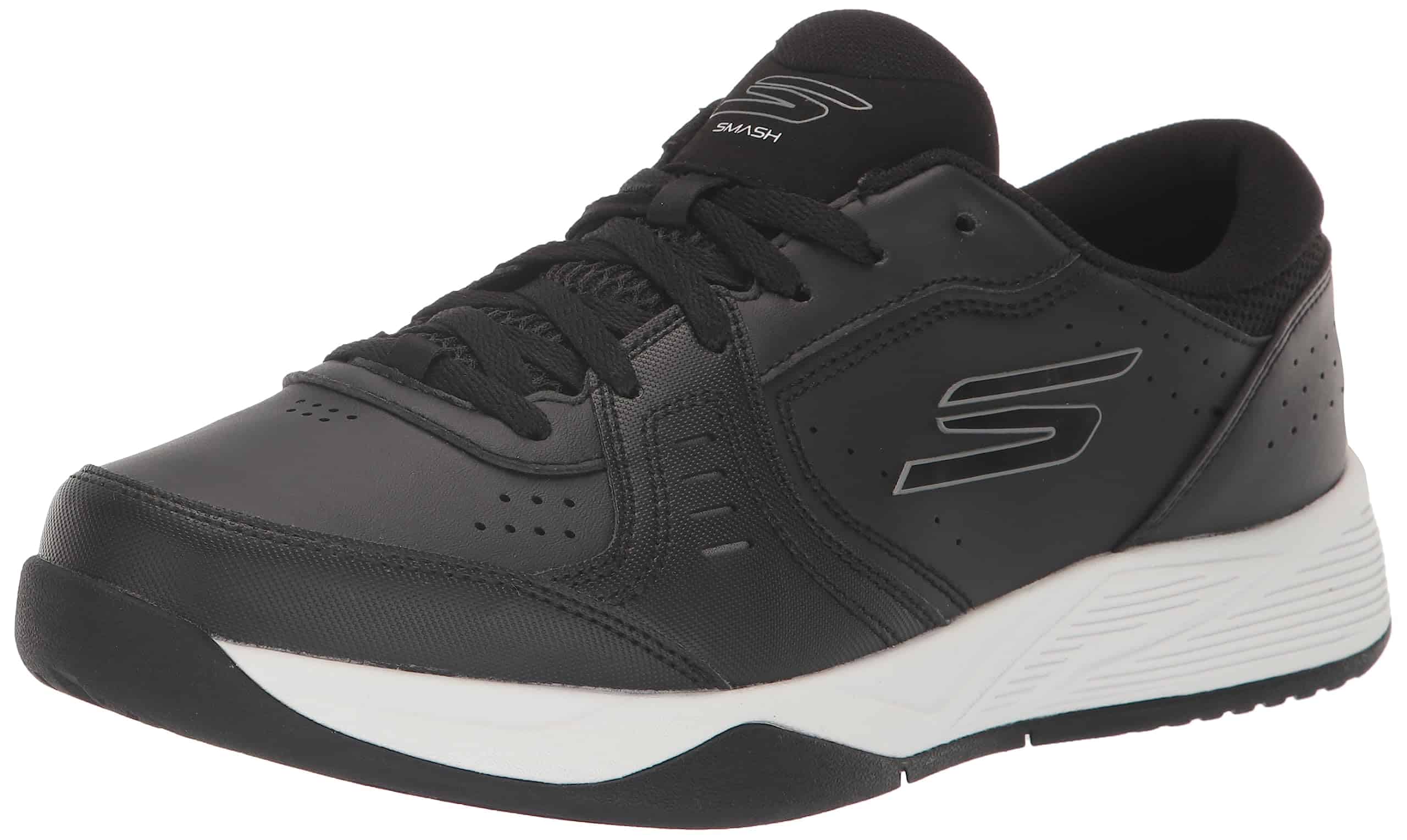
We recommend these if you want a roomy, cushioned outdoor pickleball shoe that balances comfort and durability for regular play.
Pros
- Cushioned ride feels responsive for quick court movements
- Wide, relaxed fit avoids toe crowding during long sessions
- Grippy, non-marking outsole handles concrete without slipping
Cons
- Relaxed fit may feel loose for narrow-footed players
- Synthetic upper creases faster than premium leather options
- Not as rugged as heavy-duty outdoor trainers over years of abrasive concrete
We put these on for several weekend matches and were impressed by the immediate comfort. Ultra Flight cushioning and the molded EVA insole gave a springy, low-impact feel when we chased short volleys and sprinted to the kitchen line.
Traction held up well on rough concrete; the outsole grit kept us planted on quick direction changes and short stops. After a month of mixed indoor and outdoor play the soles showed normal wear but no dangerous smoothing on the tread.
Break-in required almost none thanks to the relaxed fit, which made long practice sessions easy on our feet. Players with narrow feet should consider sizing down or using a thin insole; otherwise the roomy forefoot can allow some lateral slop during aggressive pivots.
The synthetic, vegan-friendly upper cleaned easily after dusty outdoor courts, and machine washing simplified maintenance. We noticed surface creasing after repeated use, so expect cosmetic wear before structural issues.
Overall, these shoes deliver comfortable court support and reliable outdoor traction at a friendly price, making them a solid pick for recreational and club players who value cushioning and a forgiving fit.
Skechers Viper Court Pro

We recommend this shoe if you want roomy, cushioned support and sticky traction for outdoor concrete courts.
Pros
- Comfort from podiatrist-certified arch support and responsive Ultra Go Foam.
- Reliable grip and stability from the Goodyear compound outsole.
- Breathable mesh upper that keeps feet cooler during long sessions.
Cons
- Outsole wear can show up after intense, frequent play on concrete.
- Some will find the fit bulky compared with sleeker court shoes.
- Durability reports vary; seams or soles may fail sooner for heavy players.
We wore these for multiple weekend sessions on rough concrete and immediately noticed the cushioning—quick lateral moves felt forgiving without losing court feel. The arch support kept our feet from fatiguing after back-to-back matches, and the roomy toe box avoided hotspots during long rallies.
Traction impressed on dusty and scuffed outdoor courts; the Goodyear rubber held during quick pivots and short sprints. Still, after several weeks of daily play one pair on our team showed noticeable outsole wear where toes push off, so expect to rotate shoes if you play often on abrasive concrete.
Overall, the Viper Court Pro blends comfort and court grip in a package that suits players prioritizing support over a narrow, have one of the best lightweight pickleball shoes profile. If you want more durability for aggressive concrete play, we suggest pairing these with a backup pair or checking for reinforced models.
FitVille Extra Wide Pickleball Shoes (Sunny Yellow/Black)
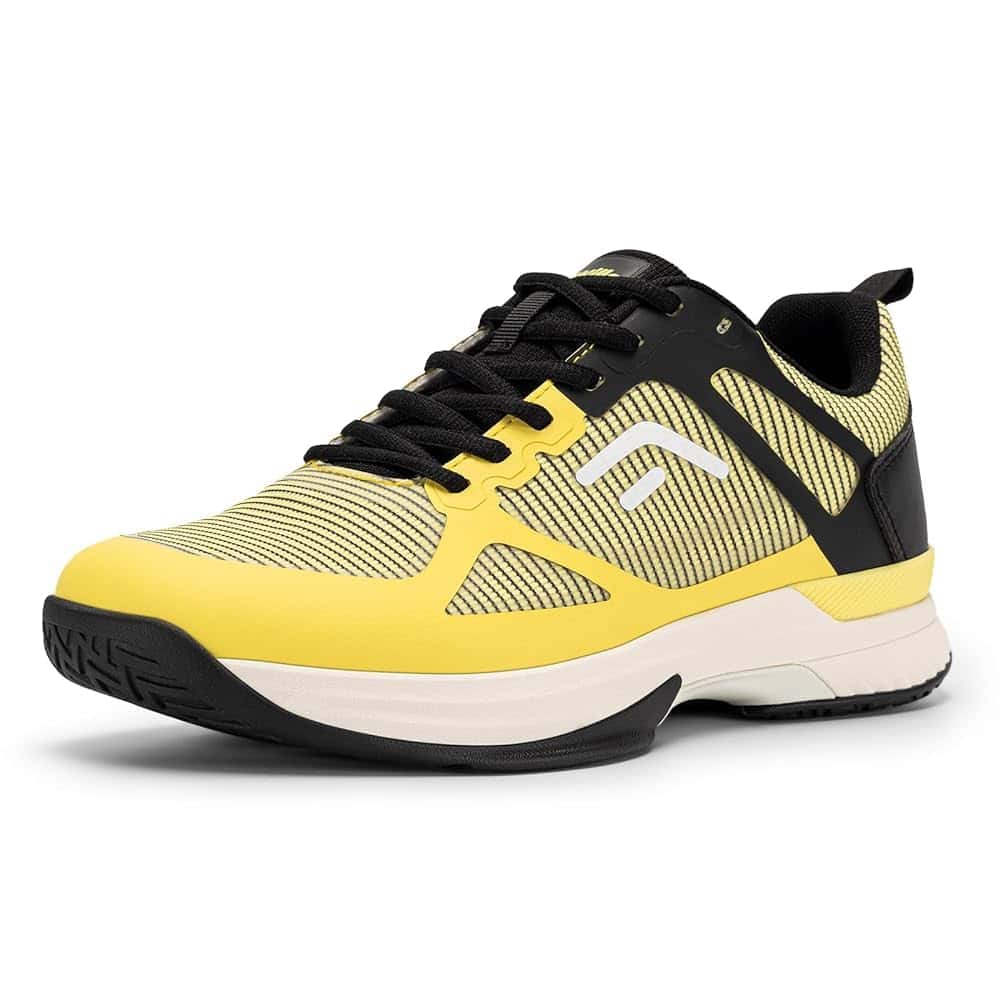
We recommend these if you need roomy, stable outdoor court shoes with solid arch support but can accept some extra weight.
Pros
- Spacious toe box that keeps toes from feeling cramped.
- Strong lateral stability from TPU heel and midfoot structure.
- Noticeable arch support and a comfortable heel cup that eased our foot pain.
Cons
- Heavier than minimalist court shoes, so quick sprints feel slightly throttled.
- Durability questions from mixed reports on long-term wear.
- Tread is okay on flat surfaces but may not match premium omni-court rubber for very abrasive concrete.
We tested these on concrete courts and noticed the wide fit immediately reduced hot spots and bunion pressure. Break-in time was short, and the ArchCore insoles felt supportive from the first session.
Movement side-to-side felt secure thanks to the TPU heel ring and midfoot torsion grip; we could cut and recover without the heel slipping. That extra structure adds weight, so we sacrificed a little quickness compared with our lightest trainers.
Breathability held up during long drills—mesh vents kept our feet cooler than typical leather court options. Grip worked well on dry outdoor concrete, but if you play on very rough surfaces daily, expect faster outsole wear.
Overall, these shoes suit players who prioritize fit and stability on outdoor courts and prefer a roomy toe box over featherlight speed.
Best Pickleball Shoes – Outdoor Concrete Buying Guide
We prioritize traction and sole durability when selecting outdoor concrete pickleball shoes. Look for a hard-wearing rubber compound and a tread pattern that disperses dust and prevents slipping on abrasive surfaces.
We check cushioning and support to reduce impact on joints during lateral movements. Choose midsoles with responsive foam and a stable shank or reinforced midfoot for quick direction changes and sustained comfort.
We assess fit and upper construction for durability and breathability. Opt for snug heel lockdown, roomy toe boxes for sprints and slides, and abrasion-resistant materials across high-wear zones.
We consider weight and flexibility to balance speed and protection. Lighter shoes help with quick footwork, while flexible forefoot designs allow natural movement without sacrificing stability.
We evaluate ankle support and collar padding to prevent rolling and irritation. Low-cut styles offer freedom; modest padding and reinforcement improve safety without restricting agility.
We inspect outsole patterns and hardness using a simple checklist:
| Feature | Why it matters |
|---|---|
| Rubber compound | Resists wear from concrete |
| Tread design | Maintains grip; sheds dust |
| Thickness | Balances durability and ground feel |
| Flex grooves | Allow natural toe-off and cuts |
We recommend testing shoes on a concrete or similar surface when possible. Walk, pivot, and simulate play; if the shoes feel unstable, lack traction, or cause hotspots, try another pair.
Frequently Asked Questions
We focus on traction, cushioning, and abrasion resistance for concrete courts. Fit, lateral stability, and durable outsoles determine performance and lifespan.
What features should I look for in shoes designed for outdoor pickleball play on concrete surfaces?
Look for non-marking rubber outsoles with hardened carbon or rubber compounds rated for high abrasion. Deep herringbone or multi-directional tread patterns help with stop-start movements on rough concrete.
Prioritize firmer midsole foams that resist compression over time, such as EVA blends with reinforcing plates. Reinforced toe caps, gusseted tongues, and durable mesh or synthetic uppers reduce wear from frequent lateral slides.
What are the best women’s shoes for playing pickleball on outdoor concrete courts?
We recommend models built specifically for court sports with durable rubber outsoles and supportive midsoles. Examples that meet these criteria include dedicated outdoor court versions from brands like ASICS, New Balance, and K-Swiss that offer narrower lasts and women-specific cushioning.
Choose shoes with a stable heel cup and a snug forefoot fit to prevent slippage. Prioritize versions labeled “outdoor” or “high-abrasion” rather than general running shoes.
How do the soles of outdoor pickleball shoes differ from regular athletic shoes?
Outdoor pickleball soles use higher-abrasion rubber compounds to resist concrete wear, whereas regular athletic shoes often use softer compounds for road comfort. The tread patterns on court shoes emphasize lateral grip and multi-directional traction instead of forward propulsion.
Court soles are usually flatter with reinforced toe areas to withstand frequent toe drags. They also include wider base designs for stability during quick lateral movements.
Are there any specific brands that excel in manufacturing outdoor concrete pickleball shoes?
We see consistent performance from ASICS, New Balance, K-Swiss, and Salomon in outdoor court footwear. These brands offer models with reinforced outsoles, women’s-specific fits, and durable upper materials suitable for concrete.
Smaller specialty brands focused on racket sports also produce durable outdoor options, so check product abrasion ratings and customer durability reviews before buying.
What are the durability expectations for outdoor pickleball shoes used on hard concrete surfaces?
Expect 100–300 hours of play for budget or general-purpose court shoes on abrasive concrete, depending on play intensity and movement style. High-abrasion models and reinforced outsoles can last 300–600 hours before the tread significantly wears down.
Rotate shoes and avoid dragging the toe to extend life. Watch for thinning tread, compressed midsole cushioning, and upper material fraying as signs to replace them.
How can one maintain traction while playing pickleball on concrete outdoor courts?
Keep soles clean by brushing off debris and washing the outsole with mild soap and water; dirt reduces traction quickly. Replace shoes when tread depth falls below manufacturer recommendations or when you notice slipping during lateral cuts.
Use court-specific outsoles and avoid wearing indoor-only shoes outdoors. Consider adding thin non-slip sprays sparingly, but test them first as some treatments can damage rubber compounds.

