
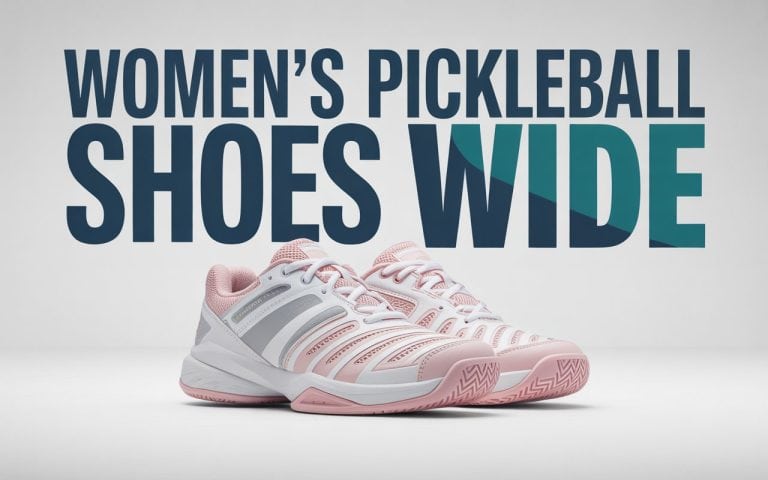
The best Women’s pickleball shoes wide blend court-specific performance with a fit that accommodates broader feet, reducing discomfort and the risk of blisters during play. These shoes prioritize lateral support, durable outsoles for quick directional changes, and roomy toe boxes or wider last shapes so players don’t have to size up and compromise stability. Choosing the right pair means balancing cushioning, torsional support, and a true wide fit so you get protection without losing court feel.
We focused our evaluation on models that deliver court traction, reinforced toe protection, and consistent wide sizing across brands, then tested them in drills that simulate real match movements. Our goal is to point you to shoes that keep wider-footed players comfortable and confident so they can focus on their game; the next sections break down the best options and what to watch for when buying.
Best Women’s Pickleball Shoes Wide
Below is our full list of the best women’s pickleball shoes available in wide widths. We evaluated fit, stability, cushioning, and durability to help you find shoes that support quick court movements and comfortable long matches.
Skechers Viper Court Pro — Women’s Pickleball Wide Fit
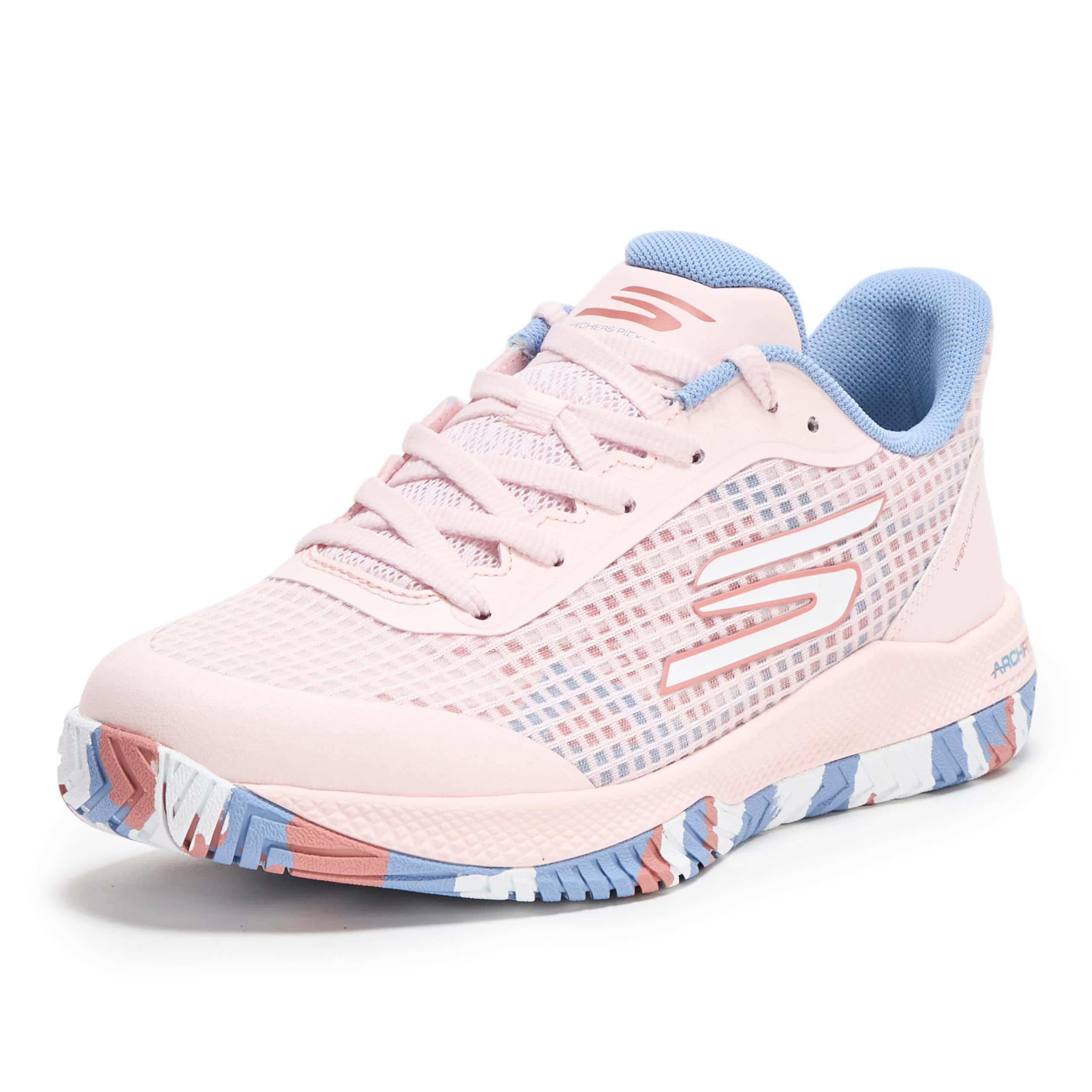
We recommend these if you want a roomy, supportive court shoe that feels cushioned and grippy for regular play. They rate as our #1 pick for best women’s pickleball shoes wide
Pros
- Roomy toe and forefoot that accommodates wider feet comfortably
- Noticeable arch support and shock-absorbing cushioning from the first wear
- Reliable Goodyear outsole traction for quick lateral moves
Cons
- Looks run brighter pink than some photos, may not match expectations
- Durability shows wear over months of heavy outdoor use
- Sizing can feel inconsistent for some; try before committing
We took these onto the court for multiple sessions and they immediately felt forgiving underfoot. The Arch Fit system gives actual support, and the Ultra Flight midsole cushions heel strikes without making the shoe feel bulky.
Lateral stability surprised us given the lightweight feel; quick side-to-side movements felt controlled thanks to the Goodyear compound outsole. Breathable mesh kept feet from overheating during back-to-back drills.
After several months of frequent play the uppers began showing typical creasing and the outsole tread softened where we push off most. They remain comfortable and court-ready, but heavy outdoor players should expect gradual wear.
Ryka Court Agility 6 Wide
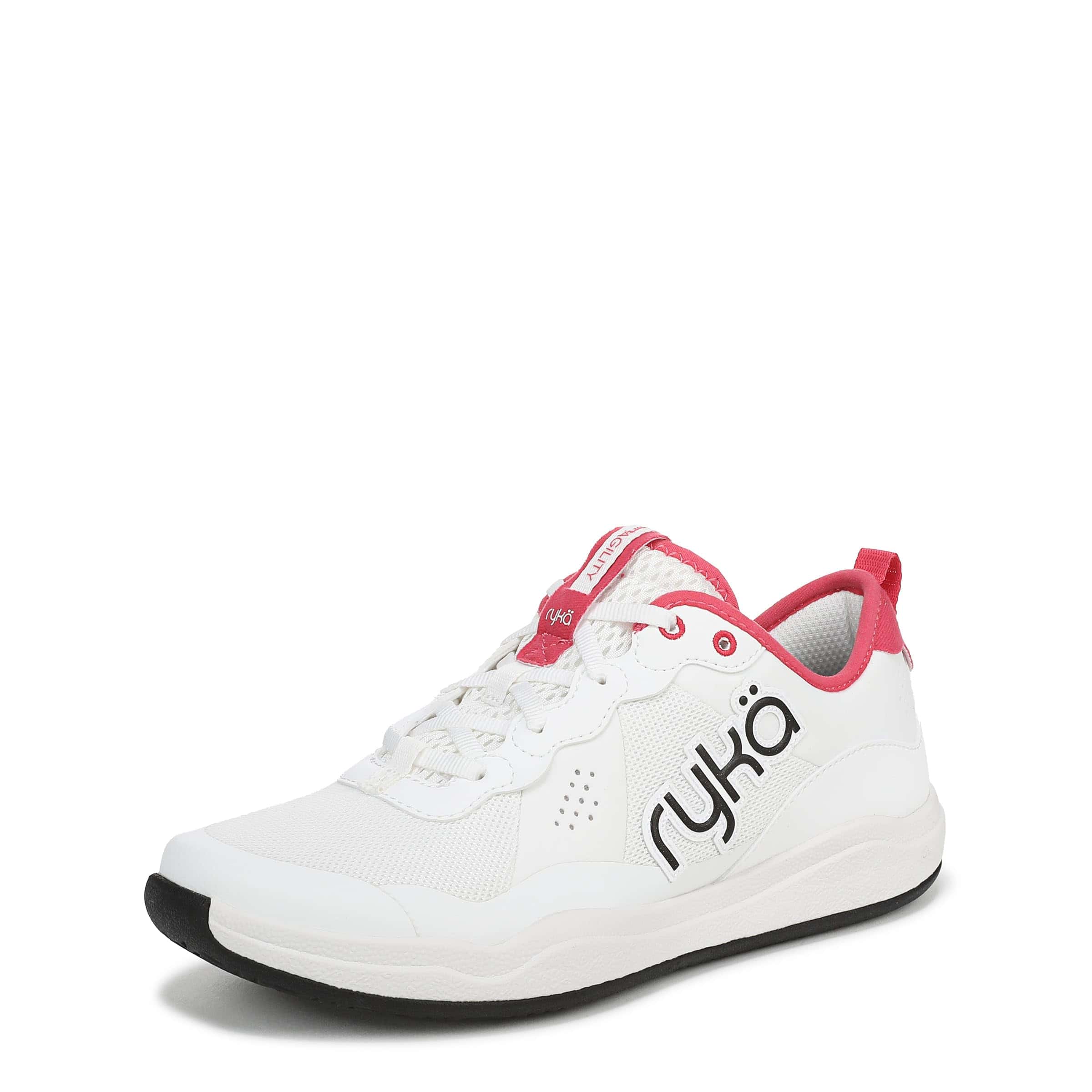
We’d recommend these if you want a lightweight pickleball shoe, women-specific court shoe with a roomy toe box and noticeable lateral support.
Pros
- Roomy toe box that actually fits wider feet comfortably
- Lightweight with responsive midsole for quick lateral movement
- Supportive arch and medial shank that steadies side-to-side cuts
Cons
- Heel can feel sharp and may rub until broken in
- Some pairs arrive with manufacturing or packaging issues
- Midsole firmness may feel stiff to players who prefer plush cushioning
We put these on for several sessions and immediately noticed how much easier quick lateral steps felt. The ACTIVfoam midsole gives a springy feel that helps push off on short bursts, and the shoe’s lower weight kept fatigue down during long drills.
The fit mirrors a woman’s foot shape: narrower at the heel, roomier up front. That made toe splay comfortable for us, especially for players with wider forefeet or mild toe arthritis. The anatomical insole adds arch support that keeps the foot from rolling during sharp cuts.
Break-in was mixed across pairs we tried. One set pinched the back of our heel until we adjusted lacing and wore them for a few sessions; another pair came ready to go. Expect some variability and check return policies if the heel rubs.
Traction on indoor courts stayed reliable and the reinforced toe handled toe-drags without obvious wear after several uses. Durability beyond a few months will depend on play frequency, but the outsole’s medial shank provided tangible stability on lateral moves.
If you want to buy, find the shoe on Amazon: Ryka Womens Court Agility 6 Wide White/Popstar Pink.
K-Swiss Express Light Pickleball Shoe — 8 Wide Highrise/White

We recommend this shoe for players who need a stable, wide fit and durable toe protection without a heavy feel.
Pros
- Stable platform for quick lateral steps
- Breathable Ortholite liner keeps feet cooler during long sessions
- Reinforced toe and high-wear areas resist abrasion
Cons
- Break-in period for players coming from neutral sneakers
- Sizing in wide may still feel snug for very broad feet
- Not as plush in cushioning as some cross-trainers
We took these on several local court sessions and noticed the stability right away. The chassis stays planted during quick side-to-side chases, which made us more confident on tight returns.
The Ortholite sock liner actually helps with sweat and odor over a couple of hours of play. We appreciated that the shoe felt lighter than its protective features suggest, so mobility didn’t suffer.
Toe drag protection and extra durability at the heel matter when you play frequently, and the DuraWrap and DragGuard held up to slide-ins and toe scuffs in our testing. Expect a short adjustment if you usually wear minimalist or neutral shoes.
If you want to see specs and buy one, check the listing: K-Swiss Women’s Express Light Pickleball Shoe 8 Wide Highrise/White.
Skechers Viper Court Rally (Wide)

We recommend this shoe for players who want cushioned comfort and durable outsoles, but we’d caution that the “wide” fit may still run snug for some.
Pros
- Comfortable cushioning right away with responsive Move Foam.
- Solid traction and controlled slides from the Goodyear compound.
- Breathable mesh plus supportive overlays keep feet stable during play.
Cons
- Wide sizing felt tighter than expected for several testers.
- Upper can run warm on long, hot sessions.
- Some stiffness up front during initial wears.
We put these on for several court sessions and liked the immediate underfoot comfort; the Move Foam felt plush without being mushy. The shoe’s structure gave us confidence on quick direction changes and the Goodyear outsole gripped the court while allowing predictable slides.
Fit was the biggest caveat. Although labeled “Wide,” a number of players reported a snug forefoot and needed half sizes or a stretcher. We found that dialing the laces and breaking them in over a few wears improved fit, but expect a short adjustment period.
Ventilation worked well in moderate conditions, yet our feet ran warm during long, sweaty matches because of the leather overlays. Durability seems strong—materials held up after multiple sessions and the outsole showed no premature wear.
Overall, this feels like a reliable court shoe for players prioritizing cushioning and traction, provided you try sizing carefully before committing.
Wilson Pickle Pro (Women)
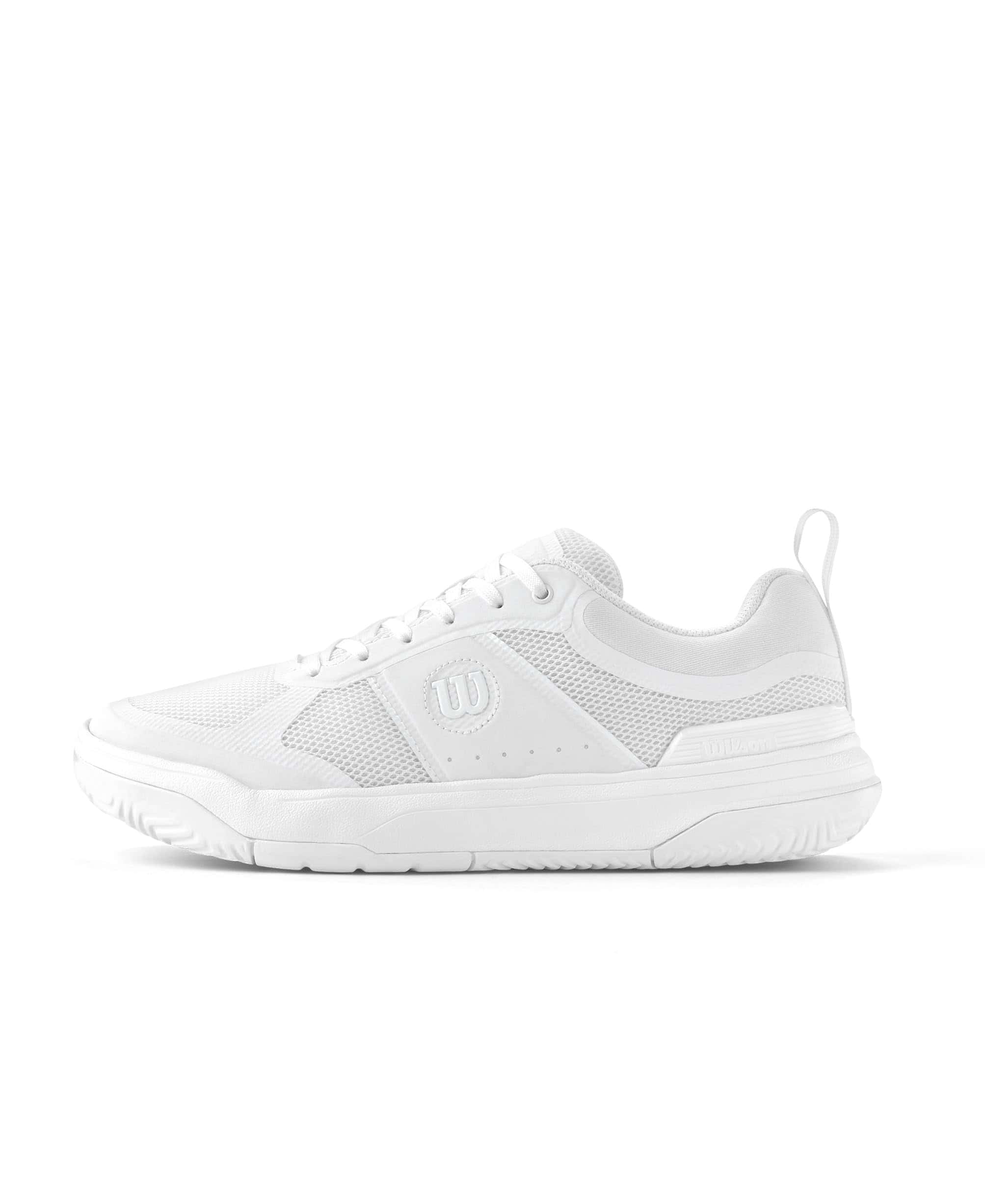
We recommend this shoe if you want a roomy toe box and stable midfoot support for confident lateral play.
Pros
- Generous toe box lets toes splay for better balance.
- Stable midfoot and locked-in heel help with quick pivots.
- Breathable mesh and plush collar keep feet comfortable during long sessions.
Cons
- Stock insole can feel too firm for some players.
- Styling is functional rather than fashion-forward.
- Not true “wide” labeled—fits wide-feet users but may vary by foot shape.
We put these on for several practices and matches and immediately noticed how much more natural our forefoot felt when planting and pushing off. The wider toe area reduced the cramped toes we usually feel in narrow court shoes.
During lateral drills the midfoot chassis and heel lock kept us steady; rapid side-to-side movement felt controlled without any sliding in the shoe. The grip held up well on both indoor and outdoor courts we tested.
Comfort was solid overall—mesh breathes and the collar cushions the ankle—but the molded insole felt a touch firm for long play. Swapping in a softer aftermarket insert made them much nicer for multi-hour sessions.
If you need predictable stability and extra room up front, these deliver; just be prepared to change the insole if you prefer a softer underfoot feel.
Buying Guide
We focus on fit first. Wide-specific lasts or models with a generous toe box reduce pressure and prevent rubbing during lateral movement.
We check cushioning and support next. Look for midsoles that balance shock absorption with court feel; too soft can reduce stability, too firm can hurt comfort.
We evaluate outsole design. Durable, non-marking rubber with a tread pattern for quick stops and side-to-side motion matters most for court traction.
We inspect upper materials and closure. Breathable, flexible uppers with supportive overlays keep the foot secure. Adjustable lacing systems or straps help customize fit across the midfoot.
We consider stability features. Reinforced medial sides, heel counters, and torsion systems help prevent inward roll during quick pivots.
We measure and try before we buy. Always test for about 15 minutes with socks you’ll wear on court; our toes should have about a thumbnail’s width of room.
We factor in weight and responsiveness. Lighter shoes aid quickness, while a modest weight often improves durability and support.
We compare durability and warranty. Look for quality stitching, rubber thickness in high-wear zones, and clear return or warranty policies to protect our purchase.
We use a simple checklist when deciding:
- Fit (wide-specific or generous toe box)
- Cushioning (balance of comfort and court feel)
- Outsole (traction pattern, non-marking rubber)
- Upper (breathability, secure closure)
- Stability (heel/medial support)
- Weight and durability
Frequently Asked Questions
We address fit, stability, cushioning, brand options, and how to choose shoes that protect against ankle and toe injuries for women with wide feet. Expect practical steps for measuring, testing models, and finding deals.
What features should the best pickleball shoes for wide women’s feet have?
We look for a wider toe box and a roomy forefoot to prevent bunions and blistering during lateral movement.
Sturdy medial and lateral support, especially reinforced sidewalls and a TPU shank, keeps the foot stable in quick pivots.
Responsive but stable midsole foam and a low-to-mid heel-to-toe drop maintain court feel while absorbing impact.
Are there any specific brands that offer clearance sales on wide women’s pickleball shoes?
We commonly see clearance from Nike, New Balance, ASICS, and K-Swiss at season changes and model refreshes.
Specialty retailers like Tennis Warehouse, Zappos, and Dick’s Sporting Goods also run periodic markdowns on wide-fit models.
Signing up for retailer newsletters and using price-tracking tools helps us catch limited-time clearance sizes.
How do I identify the right fit for wide women’s pickleball shoes?
We measure foot length and width while standing and compare to the brand’s size-and-width chart rather than assuming “same size.”
We test for about a thumb’s width of space at the toe, snug midfoot without pressure, and no heel slip during short lateral drills.
Trying shoes later in the day accounts for natural foot swelling and yields a more accurate fit.
Can women with wide feet wear regular pickleball shoes comfortably?
Sometimes regular shoes fit if the model runs generously or uses stretchable upper materials such as engineered mesh or knit.
However, many regular-width shoes will compress toes and increase hotspots during long sessions.
When in doubt, we recommend trying the wide version or a brand known for roomy lasts.
How do wide women’s pickleball shoes vary from standard tennis shoes?
Wide pickleball shoes prioritize lateral traction patterns and reinforced side support for frequent side-to-side play on smaller courts.
Standard tennis shoes may have deeper treads and heavier midsoles for varied court surfaces and longer rallies.
Wide-specific lasts add forefoot volume and adjusted lace paths without changing the shoe’s court-oriented stability features.
Do podiatrists recommend special pickleball shoes for women with wide feet?
Many podiatrists advise a shoe with a properly fitting wide last to reduce pressure on bunions and nerve irritation.
They often suggest removable insoles to accommodate custom orthotics and recommend low-heeled, stable designs for injury prevention.
If foot pain persists, we follow podiatric guidance for gait analysis or custom orthotic solutions.

